Why Indian Students Are Shifting to Digital Transfers for Overseas Education Payments
Studying abroad has become a major aspiration for Indian students, bringing with it the need for reliable international payment solutions. From tuition fees and accommodation deposits to monthly living expenses, students require transfers that are fast, transparent, and cost-effective. Traditional banking channels, while dependable, often involve paperwork, longer processing times, and hidden intermediary charges. In contrast, digital transfer systems provide a streamlined experience that aligns better with the needs of students managing tight budgets and strict university deadlines. The ability to initiate transactions online, track payments in real time, and clearly view exchange rates has made digital platforms increasingly attractive.
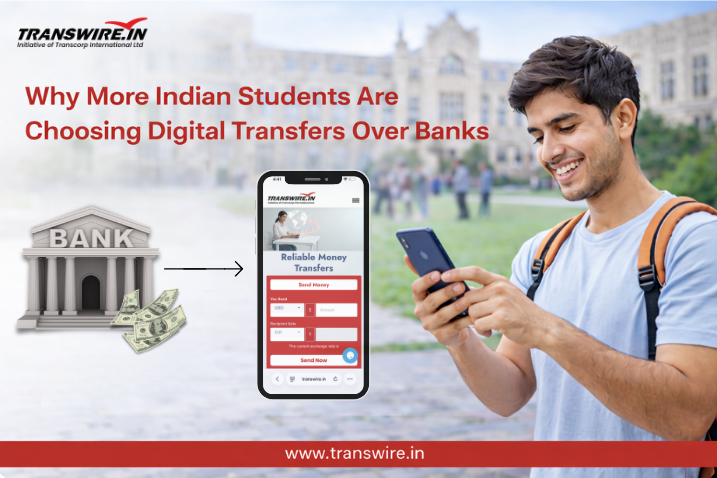
One of the key reasons for this shift is the availability of RBI authorized money transfer platforms that combine regulatory compliance with convenience. These services operate within the Liberalised Remittance Scheme (LRS) framework, ensuring that student payments meet legal and tax guidelines. Unlike conventional bank wires, digital transfers often provide upfront clarity on fees and exchange rates, reducing the uncertainty that many students face. With complete digital verification and minimal paperwork, students can send funds directly to universities or landlords abroad without visiting a physical branch, saving both time and effort.
Cost efficiency is another decisive factor. Traditional bank transfers may include SWIFT charges, correspondent banking fees, and foreign exchange markups that reduce the final amount received. Digital transfers typically lower overhead costs and eliminate multiple intermediaries, making them more budget-friendly. For students who must make recurring payments throughout the academic year, even small savings per transaction can add up significantly. Additionally, real-time tracking and faster processing times ensure that urgent fee deadlines are met without stress.
India’s strong digital payment culture has further accelerated this transition. Young adults are already comfortable managing finances through mobile-first platforms, making international digital transfers a natural extension of their daily habits. As transparency, speed, and regulatory compliance become top priorities, digital transfers are steadily replacing traditional bank wires as the preferred choice for Indian students pursuing global education opportunities.


Comments
Post a Comment